How aviation accident investigations work, and why early reports can change
Who investigates an aviation accident, what a preliminary report is, the ICAO timelines, and why early details change. How 9to5Aviation covers safety investigat
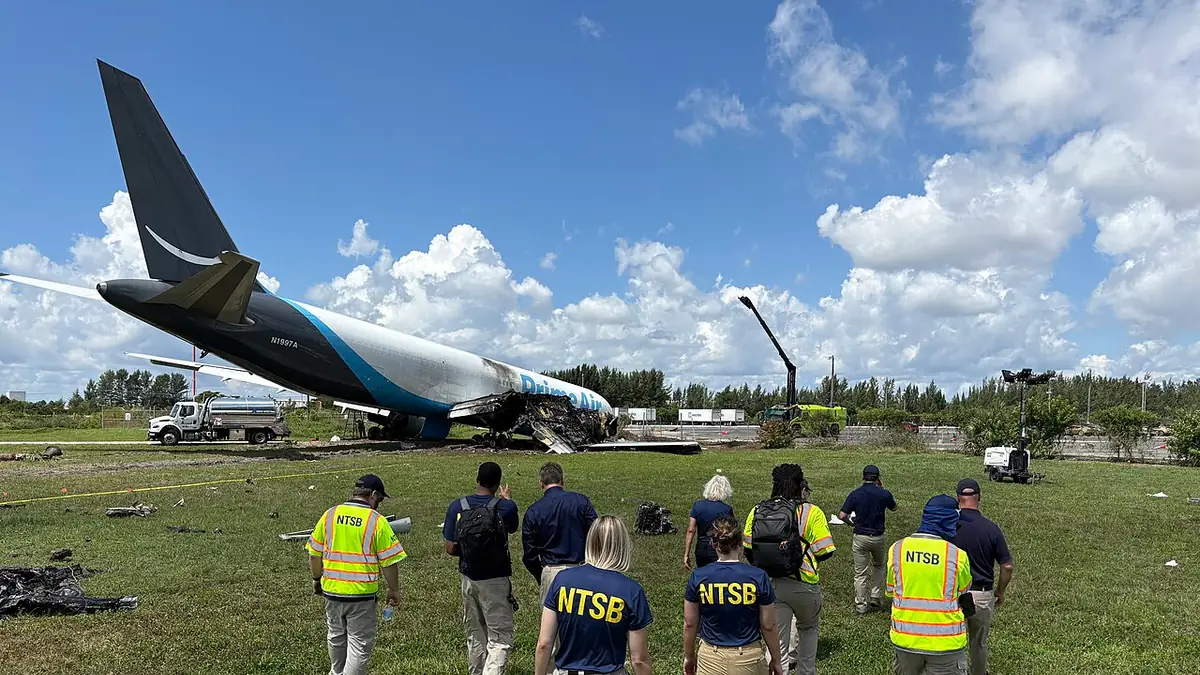
When an aircraft is involved in an accident, the first news is usually fragmentary: a runway excursion, a diversion, a statement that "all passengers are safe". The cause can take months to establish. Understanding that process makes it easier to read the news correctly.
Who investigates
Under the ICAO framework in Annex 13 to the Chicago Convention, the state where an accident happens is responsible for the investigation. That state can hand all or part of the work to another state by agreement. The state of registry, the state of the operator and the state of design or manufacture can take part through accredited representatives, and states whose citizens were affected can also appoint experts.
In the United States the investigator is the National Transportation Safety Board (NTSB). In the United Kingdom it is the Air Accidents Investigation Branch (AAIB), in France the BEA, and in Canada the Transportation Safety Board. Each has its own website where it publishes reports.
The investigation exists to prevent future accidents. It is not designed to decide blame or liability, and those questions are handled elsewhere.
What a preliminary report is for
ICAO expects the investigating state to publish a preliminary report within 30 days of an accident. It sets out established facts and the progress of the investigation. It does not usually give a final cause.
That is why early reporting carries risk. Witness accounts, first images and social media posts can point to one explanation, and recorded data can later show something different. A preliminary statement is a snapshot, not a verdict.
How long a final report takes
Final reports follow once the analysis is complete. ICAO's aim is to publish them as soon as possible, and within 12 months of the event where it can be done. Complex accidents take longer, and some reports are published in stages.
What investigators look at
The work typically includes flight data and cockpit voice recorders, maintenance records, air traffic control recordings, weather, airport and runway condition, crew training and records, and the physical evidence. Investigators also interview people involved, and their findings often lead to recommendations for airlines, manufacturers and regulators.
How we cover it
9to5Aviation reports what the investigating authority has published, labels preliminary information as preliminary, and updates a story when a final report comes out. We do not speculate about causes, and we do not publish graphic images or name victims without official release or family consent. The full rules are in our Safety Reporting Policy.
If you are reading a report about a recent accident, check the date of the report and whether it is preliminary or final before you take a view on what happened.
Sources
Featured image: Photo: National Transportation Safety Board, public domain. NTSB investigators at the site of the 21 Air Flight 7598 runway excursion at Miami International Airport. Source
